


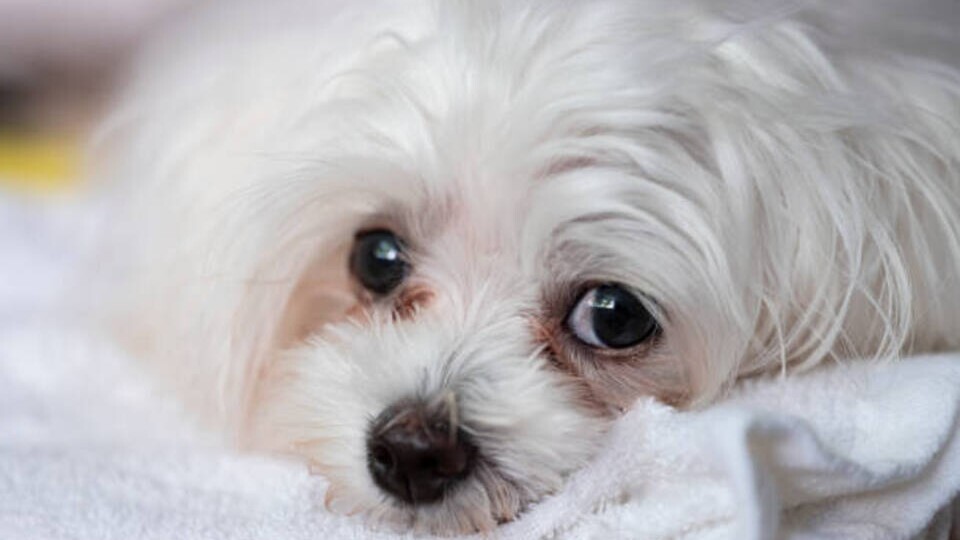
If dark rusty tears flow from your dog’s sweet expression on his face, it’s hard to feel anything else. Tear stains can be unpleasant and annoying, even a little disgusting to those who don’t know your dog and can be difficult to control. But with a little time and attention, there are ways to treat porphyrin stains and even eliminate them.
What Causes Tears Stains in Dogs?
All of this is caused by your dog’s tearing, which is a natural process for lubricating the delicate eye and its membranes. Normal and excessive tearing can also cause tearing stains, but only if you feel like you are constantly removing dirt or grease from your dog’s eyes, and especially if it is thick and yellow or green in color. If so, take him to the vet. Eye infections, glaucoma, eyelash or entropion-related problems, foreign objects in the eye, and even an ear infection can lead to tearing with a thicker separation. These problems need the help of a veterinarian to diagnose and treat them.
Why are Tear Stains Red?
Tear stains are usually seen as a problem in white or hungry furry dogs because they are more noticeable, and bleaching and staining can occur in any dog. Tear staining is usually caused by porphyrins, wastes containing natural iron, the normal breakdown of erythrocytes. They are primarily eliminated through normal waste streams and urine, but can also be excreted through tears and saliva. Therefore, if your dog has licked its paws a lot, you will often see stains around the lips and skin folds or on the paws. Under the influence of light and air, we usually produce rust-colored stains that are usually associated with tears.
How to Remove Tear Stains
Once you have discussed the problem with your veterinarian and removed the more serious concerns, you can solve the problem methodically. First, try to keep the place dry and clean. This may require the removal of excess eye hair in breeds with longer or non-shedding hair, such as Maltese, Bichon, and Poodles. Ask your hairdresser to pay special attention to the area around the eyes and not to throw away long hair that turns into a sponge to keep bleaching and watery eyes.
Eye wipes are a good idea for dogs with naturally wet or watery eyes. Clearing excess tears from the peel under the eyes with a treated pillow will help prevent blemishes, as well as help treat all existing blemishes. Some have found that using distilled or purified water in their dog’s water container can help. The recommendation is an anecdote, it’s worth trying, especially if the water you drink is known to be rich in minerals.
Diet Factor
Diet can also be a factor and feeding your dog a high-quality diet, without dyes and other additives is always a good idea. Daily cleaning glass or stainless steel food and water containers can also help; Plastic containers can contain bacteria that can cause skin irritation and secondary blemishes, even after cleaning. Dietary supplements, such as apple cider vinegar, probiotics, or herbal remedies can also help. A well-rounded veterinarian is a good resource for learning about these additional treatments.
Final Words
If one treatment doesn’t work, find another. Sometimes a dog will need a combination of two dietary supplements and an external handkerchief, for example, before finding something that fits. Talk to your pet or other pet owners of the same breed as you, find out what they are doing and what is effective. Treating tear blemishes is often a lifelong care problem, but it can be successful, and keeping the tears in the stain can help prevent serious skin problems in the future.