


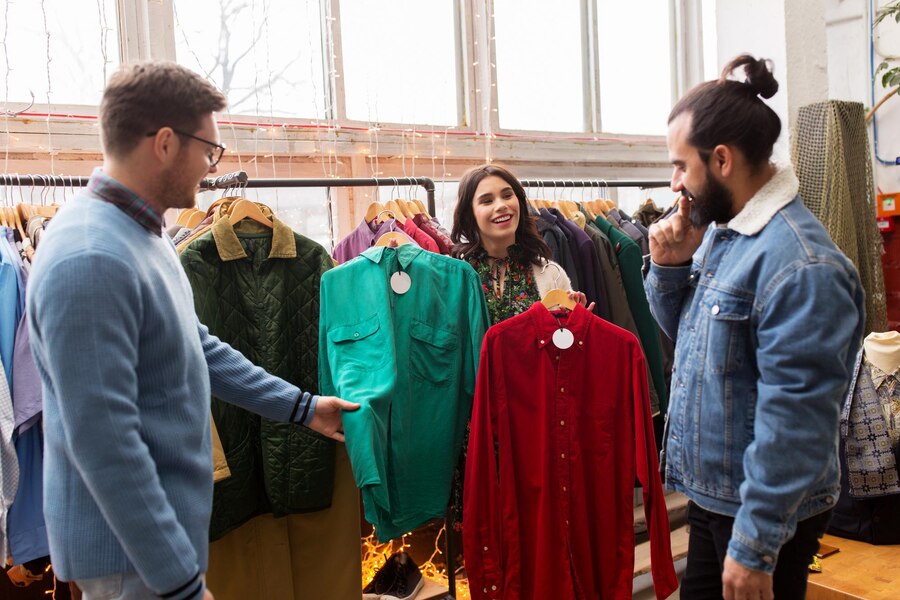
 The fashion industry is constantly evolving, with a growing demand for affordable and sustainable clothing options. One such area that has seen significant growth is the wholesale market for Grade C clothes. These garments, which might have minor defects or imperfections, are becoming increasingly popular among retailers, resellers, and eco-conscious consumers. In this guide, we’ll explore everything you need to know about Wholesale Grade C Clothes Suppliers, including what Grade C clothes are, why they’re in high demand, and how to source, evaluate, and resell them effectively.
What are Grade C Clothes?
Grade C clothes are items that are considered to have noticeable imperfections or defects but are still usable. These clothes are often factory rejects, returned goods, or items that didn’t pass stringent quality checks for minor reasons like stitching errors, slight discoloration, or small tears. While they may not meet the standards for Grade A or B clothing, they offer an affordable option for consumers and retailers alike.
Understanding the Grading System in Clothing
The grading system for clothes is a common way to categorize garments based on their quality.
Grade A refers to new or like-new clothes with no visible defects.
Grade B clothes may have minor imperfections but are still in good condition.
Grade C clothes, on the other hand, have more noticeable defects but are still wearable.
Understanding these distinctions helps buyers and suppliers communicate clearly about the condition of the clothing being sold or purchased.
Differences Between Grade A, B, and C Clothes
Grade A clothes are typically brand new or very lightly used, making them suitable for retail stores or high-end resale markets.
Grade B items might have small flaws such as loose threads, small stains, or slight wear and tear, but they still look appealing and functional.
Grade C clothes, by contrast, are imperfect garments that have visible defects such as tears, fading, or missing buttons, yet they can be sold at much lower prices.
Why Wholesale Grade C Clothes are in High Demand
The demand for Wholesale Grade C Clothes Suppliers has risen sharply in recent years, especially with the increasing focus on sustainable fashion and affordability.
Market Trends and Opportunities
The global secondhand clothing market is projected to grow rapidly over the next decade, driven by a shift towards more sustainable consumption patterns. Many consumers, particularly younger generations, are prioritizing affordability, eco-friendliness, and reducing waste, all of which align with the purchase of Grade C clothes. This has opened up significant opportunities for suppliers and resellers of wholesale Grade C clothing.
Cost-Effective Benefits of Buying Grade C Clothes
For small businesses and resellers, sourcing Grade C clothes can offer a higher profit margin due to their lower wholesale cost. Grade C items can be sold at discounted prices, allowing businesses to attract budget-conscious consumers while still maintaining profitability. Additionally, businesses can position these products as environmentally friendly, capitalizing on the increasing demand for sustainable fashion options.
The Process of Sourcing Wholesale Grade C Clothes
Sourcing reliable suppliers of wholesale Grade C clothes requires understanding where these clothes come from and how to vet suppliers.
Where Do Grade C Clothes Come From?
Grade C clothes are often sourced from various channels, including:
Factory Seconds: Garments that didn’t meet the manufacturer’s strict quality standards.
Overstock or Returns: Items returned by customers due to size or minor flaws.
End-of-Season Sales: Excess stock that retailers are looking to clear out.
Many suppliers gather these items from large manufacturers, retailers, or donation centers, ensuring a steady supply of inventory.
Key Suppliers in the Global Market
The global market for wholesale Grade C clothes is vast, with key suppliers based in countries with major garment production industries such as:
Asia: China, Bangladesh, and India are major hubs for textile manufacturing, offering a large supply of overstock and defective garments.
Europe: European countries such as the UK and Germany often export unsold or defective clothes to international markets.
Africa: Some African countries have developed robust secondhand clothing markets, importing Grade C garments from around the world.
How to Evaluate the Quality of Grade C Clothes
Evaluating the quality of Grade C clothes is essential to ensure you’re getting items that can still be sold or reused.
Common Defects in Grade C Clothing
Grade C clothes often have noticeable imperfections, which can include:
Stitching Errors: Loose or misaligned seams.
Fading or Discoloration: Color inconsistencies across different parts of the garment.
Minor Tears or Holes: Small rips that don’t affect the overall structure of the item.
Missing Buttons or Zippers: Easy-to-repair issues that may impact wearability but can be fixed.
Techniques for Identifying Wearable Products
When purchasing Grade C clothes, buyers should inspect garments carefully for defects. Look for items that have easily repairable issues or flaws that do not impact the functionality of the garment. For example, a small tear in an unnoticeable area or a missing button can be fixed relatively easily, allowing the item to be sold at a higher price.
Major Wholesale Grade C Clothes Suppliers Worldwide
Many companies specialize in supplying Grade C clothes to resellers, thrift stores, and other businesses. It’s important to identify reputable suppliers who can consistently provide good quality items.
Top Regions for Sourcing Grade C Clothes
Some of the top regions known for their wholesale clothing supply chains include:
Asia: China and India, in particular, have a strong presence in the textile industry.
Europe: Germany, Italy, and the UK export large amounts of overstock and returned clothes.
Africa: Countries like Kenya and Nigeria are key players in the secondhand clothing market.
Notable Wholesale Suppliers in Asia, Europe, and Africa
Some notable suppliers include:
Secondhand Clothes & Shoes Exporters in China.
Used Clothing Suppliers in the UK, which often export unsold garments.
African Importers that specialize in reselling Grade C clothes in their local markets.
Building a Relationship with Wholesale Suppliers
Establishing a strong relationship with your wholesale supplier can ensure you receive a steady supply of high-quality items at competitive prices.
Effective Communication with Suppliers
Clear communication is essential to ensure that the supplier understands your specific needs, including the types of defects that are acceptable and the price range you’re targeting.
Negotiating Prices and Terms
When buying in bulk, it’s often possible to negotiate better terms with suppliers. Ensure that you’re getting the best possible price for the items you’re purchasing, and clarify payment terms, shipping details, and return policies.
FAQs About Wholesale Grade C Clothes Suppliers
What is the difference between Grade C and overstock clothing?
Grade C clothing typically has minor defects, while overstock refers to unsold inventory in perfect or near-perfect condition.
How can I find a reliable wholesale Grade C clothes supplier?
Research suppliers online, attend industry trade shows, and network with other resellers to find reputable suppliers.
What are the typical defects in Grade C clothing?
Common defects include minor tears, loose seams, fading, or missing buttons.
How do I price Grade C clothes for resale?
Pricing should reflect the condition of the item and the cost to repair any defects. Typically, Grade C clothes are priced lower than Grade A or B items.
Can Grade C clothes be resold in international markets?
Yes, many international markets have a demand for affordable secondhand clothing, making Grade C clothes a viable option for resale.
How does buying Grade C clothes contribute to sustainability?
Purchasing Grade C clothes helps reduce waste by giving imperfect garments a second life, thereby supporting the circular economy.
Conclusion
The wholesale Grade C clothes market offers a unique opportunity for businesses to tap into the growing demand for affordable and sustainable fashion. While these garments may have imperfections, their lower cost and the rising trend of eco-conscious consumption make them a valuable asset for resellers and retailers alike. By understanding the grading system, sourcing from reputable suppliers, and carefully evaluating the quality of items, businesses can turn Grade C clothes into profitable and desirable products





